How to Check Your Propane Tank Level and Know When to Order Delivery
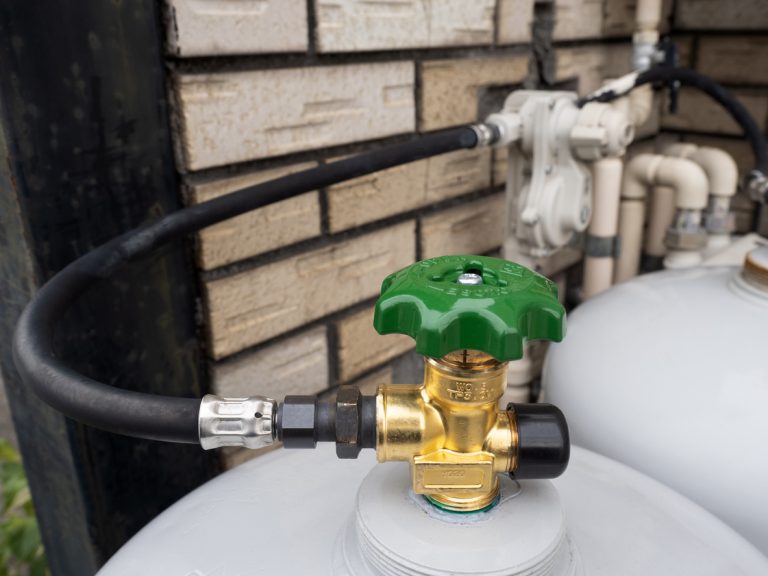
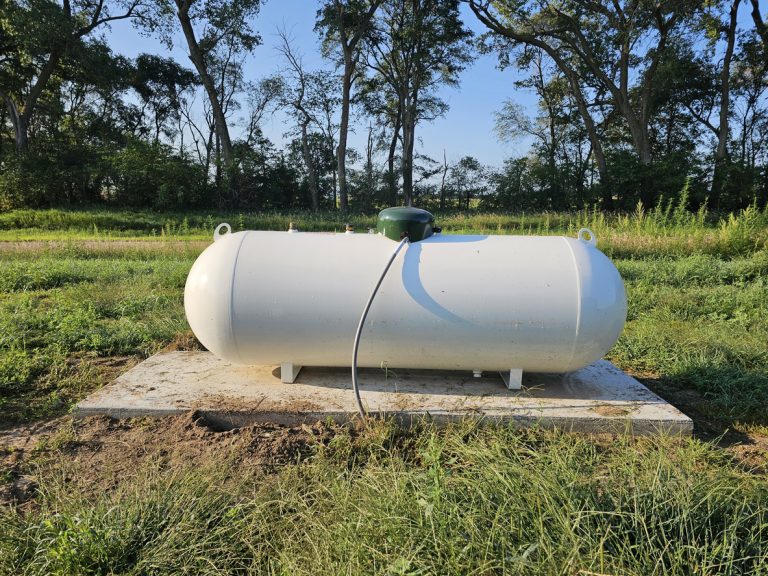
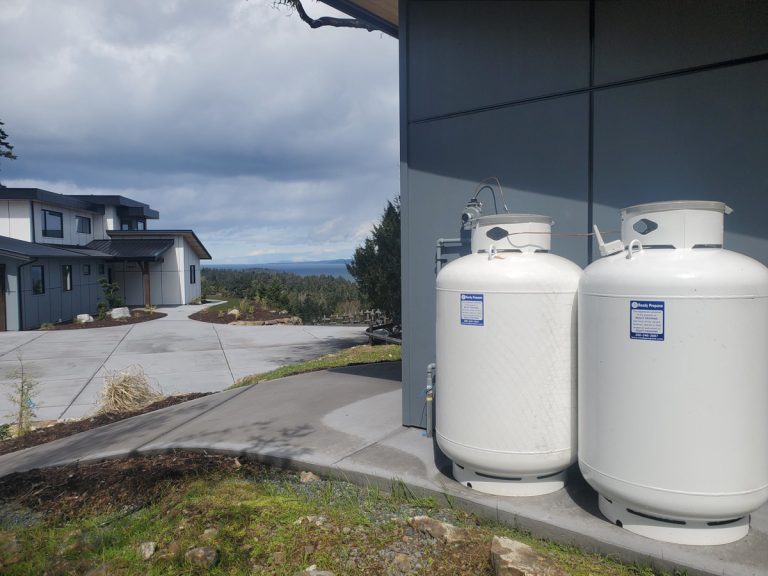
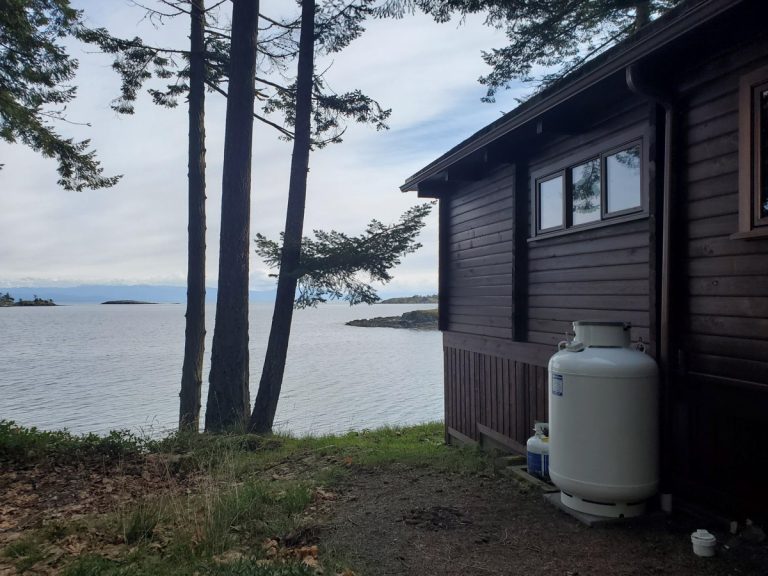
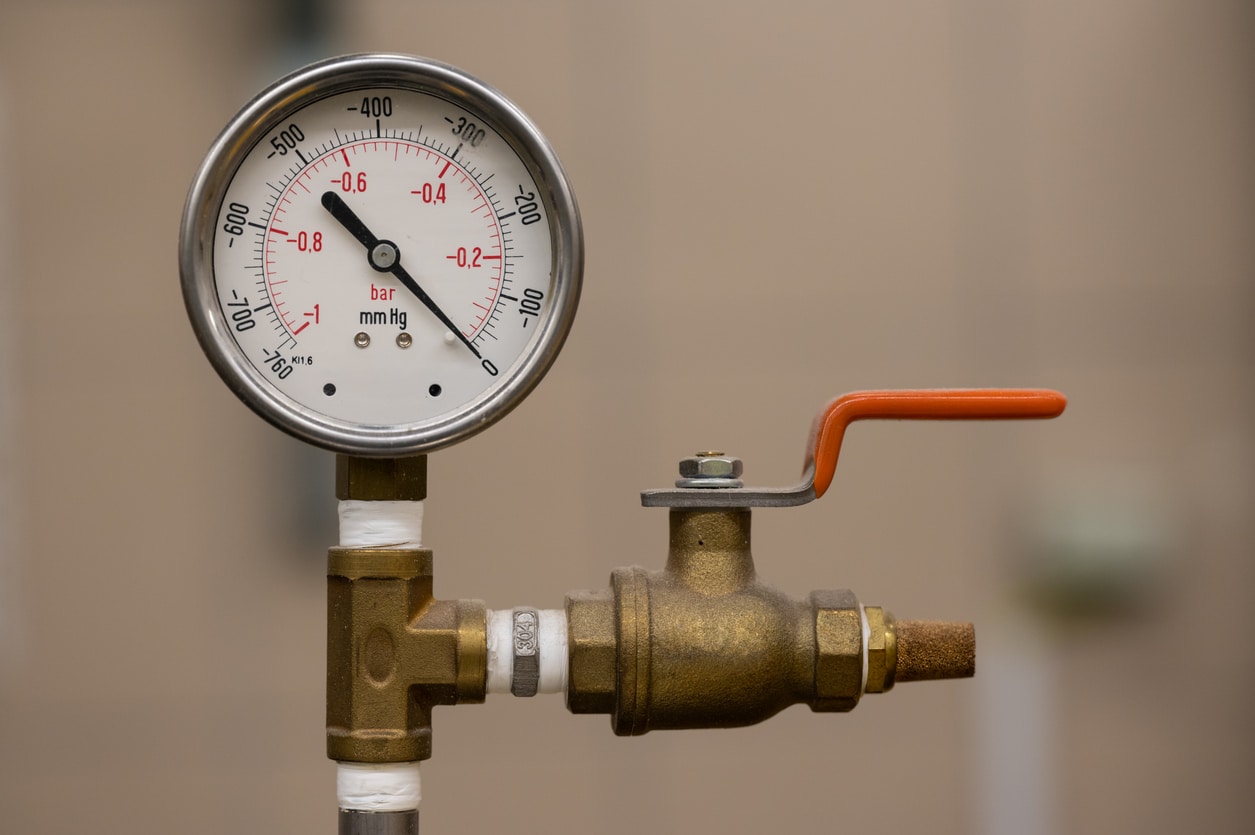
To check your propane level, lift the protective hood on top of your tank and read the round dial gauge, which indicates liquid capacity as a percentage from 0% to 100%. A standard propane delivery fills the vessel to approximately 80%, leaving 20% empty as room for liquid propane expansion. Will-call delivery customers should contact Ready Propane when the gauge drops to 30%–40% to ensure ample time for route scheduling before winter weather events.
Understanding Your Tank’s Gauge Reading
Mechanical float gauges measure the depth of liquid propane inside the vessel. Because liquid propane expands and contracts with ambient temperature shifts, the reading displays fuel volume as a percentage of total tank capacity—not in pounds, litres, or gallons.
Why Does My “Full” Tank Read 80%?
As a rule, propane tanks are never filled to 100% capacity. Liquid propane expands rapidly as outdoor temperatures rise. Under the national CSA B149.2 Propane Storage and Handling Code, leaving 20% of the cylinder capacity as vapor space prevents excessive pressure buildup and keeps safety relief valves from venting fuel into the atmosphere as ambient temperatures fluctuate.
When to Order: Will-Call vs. Auto-Fill Delivery
Ready Propane provides shop-based cylinder inspection in Parksville and specialized on-site mobile requalification across Mid-Vancouver Island for qualified bulk cylinders.
1. Will-Call Delivery (Customer Monitored)
If you are on a Will-Call arrangement, you are responsible for checking your tank gauge visually on a routine schedule. Call or submit an online request when your dial reads between 30% and 40%. Ordering at 30% ensures you retain a multi-day fuel buffer during peak winter periods when weather conditions can slow deliveries.
2. Standby Generator Tanks (40% Rule)
Properties with propane storage dedicated exclusively to backup emergency power must maintain a higher buffer. Check generator gauges monthly and request a delivery when levels reach 40%. Generators will consume fuel quickly during extended winter grid outages.
3. Auto-Fill Program (Monitored Delivery)
Ready Propane’s Auto-Fill program removes manual checking. Using cellular remote monitoring technology combined with weather monitoring, and historical draw rates, fuel dispatches are triggered automatically before your system drops to a low-volume critical threshold.
Winter Fuel Planning Tips for Mid-Island Residents
Propane cylinder requalification is a strict safety procedure regulated by the Transport Canada CAN/CSA-B339 standard. It involves:
1. External Visual Inspection: Technicians examine the body, foot ring, valve collar, and welds for structural corrosion, line gouges, bulges, or heat damage.
2. Valve Replacement: The primary pressure relief valve is removed and replaced with a certified new component.
3. Pressure & Leak Testing: Remaining operational valves undergo functional pressure checking.
4. Stamp Documentation: Upon passing inspection, the technician stamps the new requalification date code into the collar or a metal tag and logs the serial number.
Winter Fuel Planning Tips for Mid-Island Residents
- Keep Access Clear: Clear snow, ice, and overgrown vegetation away from your tank and driveway access. Delivery operators need clear footing and a direct path to access to your tank.
- Monitor Outlying Properties: Will-call customers in higher elevation zones like Horne Lake or deep in the Alberni Valley should check gauges more frequently during early winter freezing spells.
- Avoid Running Completely Empty: If a tank runs down to 0%, safety regulations require a qualified technician to perform a mandatory system leak pressure test once fuel delivery is completed. The tank then remains off until the homeowner returns to re-lights the appliance(s). Checking levels regularly means your system stays up and running.
FAQ
Frequently Asked Questions
Order Bulk Propane Delivery on Mid-Vancouver Island
Is your tank dial reading between 30% and 40%? Don’t wait for cold weather to hit. Ready Propane provides prompt bulk fuel deliveries across Nanaimo, Parksville, Qualicum Beach, and Port Alberni, fulfilling most orders within 3 to 5 business days.
Call Ready Propane at 250-248-3687
or